Smarter, greener practice in EV batteries: How drop testing EV materials can be efficient and sustainable

2 Mins
Published in Interviews and Opinions
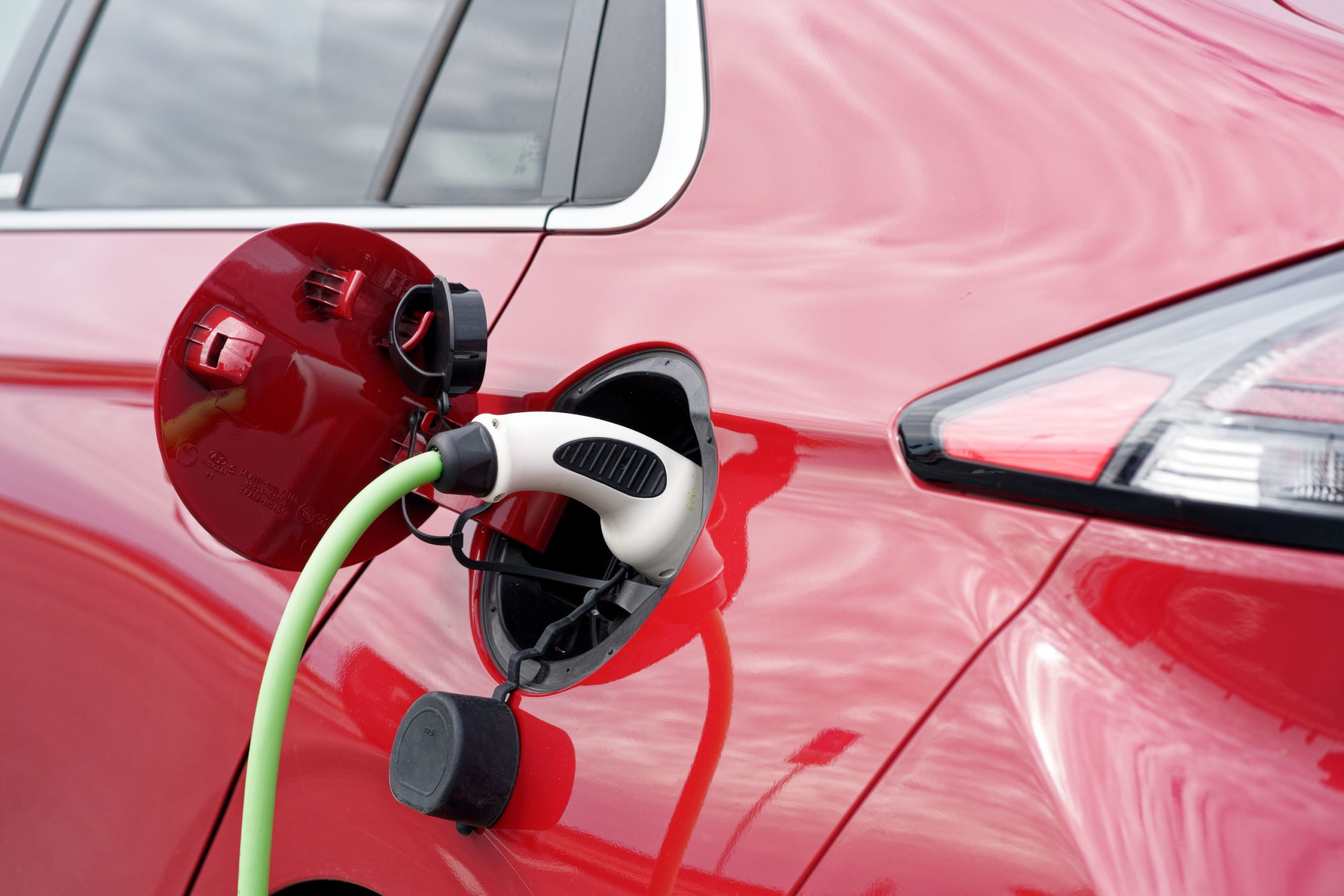
The shift to electric vehicles (EVs) is accelerating and with it comes mounting pressure on battery manufacturers and the R&D labs that test their materials. As production volumes soar, efficient and reliable testing is more critical than ever. Here, Andrea Incardona, materials engineer at material testing instrumentation manufacturer Instron, explains how advances in materials testing are helping the industry adopt smarter, greener practices.
Global EV adoption is rising rapidly, with the International Energy Agency (IEA) reporting record sales growth in recent years. In fact, global EV sales exceeded 20 million in 2025, marking a 20 per cent year-on-year increase. Global policymakers are also introducing stricter emissions targets and accelerating timelines to phase out internal combustion engines, further driving demand. This momentum is fuelling rapid investment in battery gigafactories and supply chains.
EV batteries components — including separator films, metal foils, electrodes, insulators and cells — must all undergo sudden impacts, drops and dynamic loads under specified conditions to ensure they are safe for use. With repeated testing needed to validate results, the process is often time-consuming, resource-intensive and can be a bottleneck for quality control (QC) labs for meeting demand.
Developments in drop tower systems
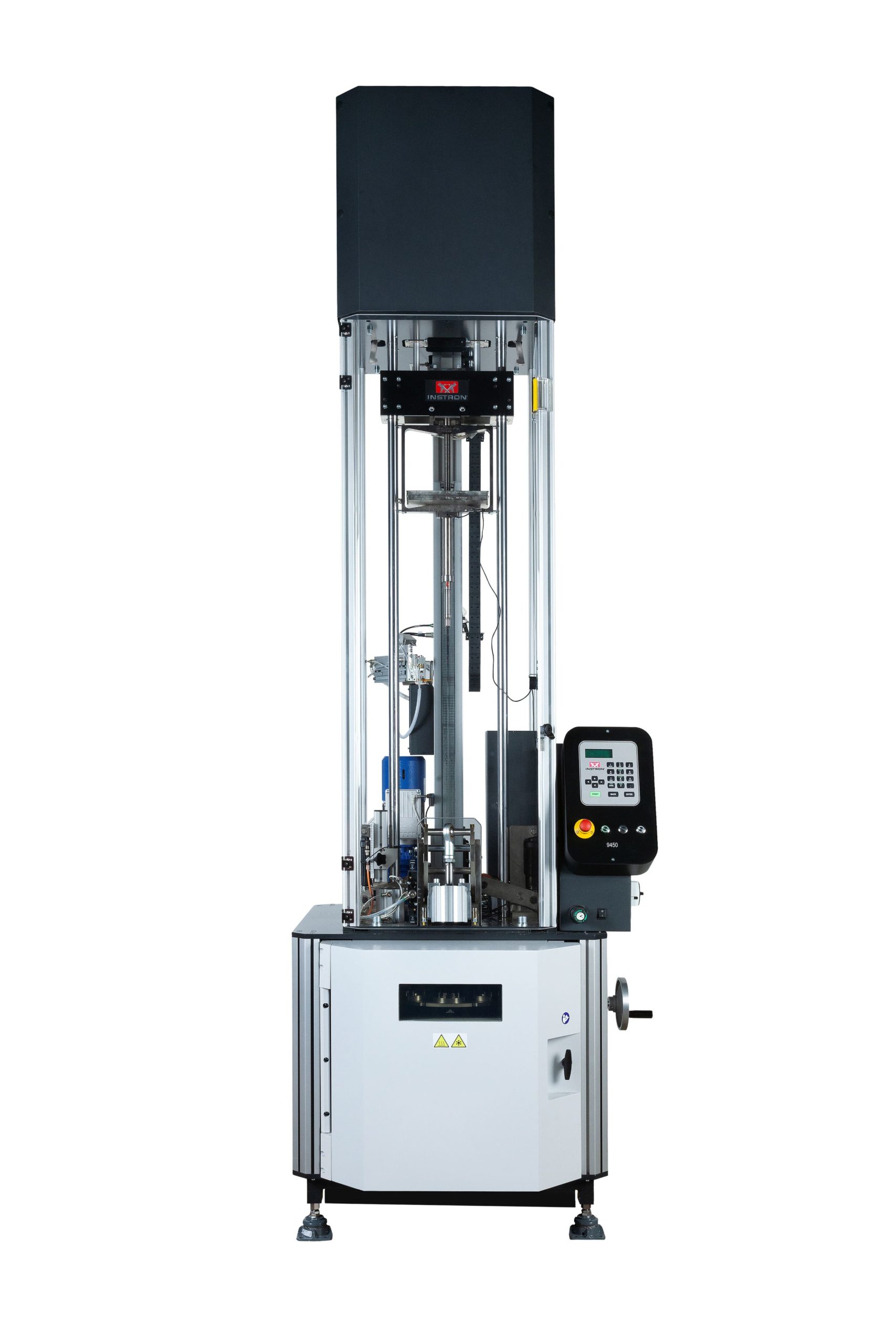
Recent developments in tensile impact and drop tower testing are encouraging engineers to work efficiently, while reducing environmental impacts. One major step forward is the use of drop tower systems that can deliver controlled, repeatable impact velocities, providing consistency, fewer failed tests and considerably less waste.
In a typical drop tower tensile setup, a material is gripped vertically between fixtures, and a weighted striker is dropped from a specified height to apply a sudden load. Simulating real-world dynamic stress events, like crashes or drops, this set up is critical for evaluating how a material can perform under stress.
While some materials will deform gradually under stress, others can fail suddenly. Therefore, gripping methods, specimen geometry, impact velocities, strain rates and temperatures all must reflect these real-world conditions. A single set up can simulate this, and engineers can gain reliable data in fewer cycles, conserving energy and material.
Within this single set up, drop towers can be equipped with a high-speed camera (HSC), which enables digital image correlation (DIC). This acts as an additional arrow in the quiver for EV battery materials engineers. By mapping strain fields in real time, DIC helps engineers understand exactly how EV materials deform or fail during impact.
With richer insight gained from DIC, teams can reduce the number of physical samples they need to prototype and destroy, saving resources and waste.
Computer aided technology and automation
The move toward CAE-ready (computer-aided engineering) is also more sustainable. When test results feed directly into simulation tools, engineers can run virtual iterations instead of relying on large numbers of physical tests. EV battery testing labs are also turning to automation to handle fragile, high-volume materials like separator films and foils — further enhancing quality and throughput.
Even the hardware helps sustainability goals. Modern drop tower systems are equipped with broad‑range load cells that can test everything from fragile battery films to robust structural composites. Instead of requiring multiple machines, or entire lab setups, engineers can use one flexible solution for many applications, reducing both energy use and equipment overhead.
These advancements, led by Instron’s team of experts, are enabling the EV industry to test materials more efficiently, safely and sustainably as it accelerates toward an electrified future.
Want to know more about this article?
Ask us below...