Future skills in focus: Precision, telemetry and the connected workforce

4 Mins
Published in Events
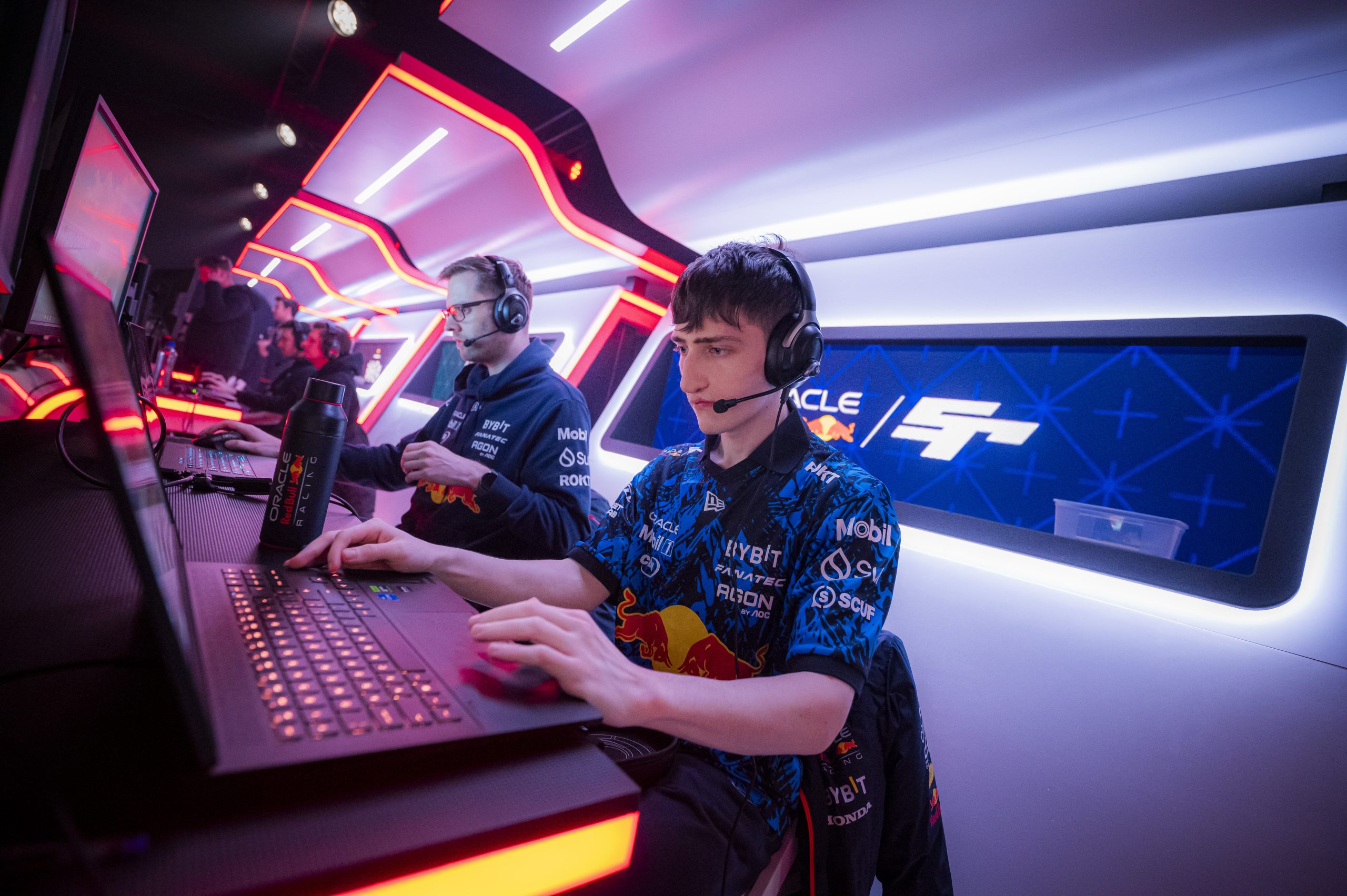
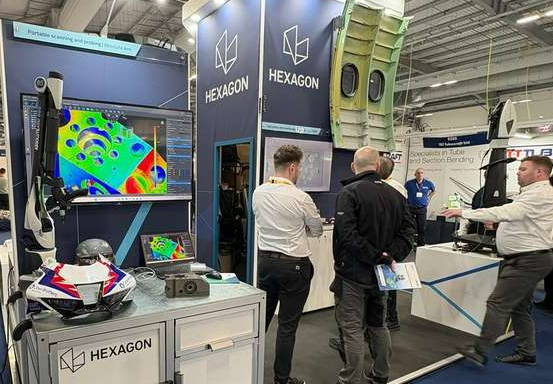
The Oracle Red Bull Racing Technology Campus in Milton Keynes was recently transformed into a showcase for the future of engineering talent. Hosted by Hexagon’s Manufacturing Intelligence division, the Future Skills Challenge Event marked the finale of ‘Telemetry Tested’ – a global initiative co-developed with Oracle Red Bull Sim Racing and MENSA, blending esports performance with engineering decision-making.
Telemetry: More than numbers
In motorsport, telemetry has always been central. Cars generate terabytes of data during a race weekend – from brake temperatures to aerodynamic loads – all of which must be analysed and acted upon in seconds.
At the Future Skills Challenge, this principle was extended far beyond the racetrack. Today’s factories are equally reliant on telemetry.
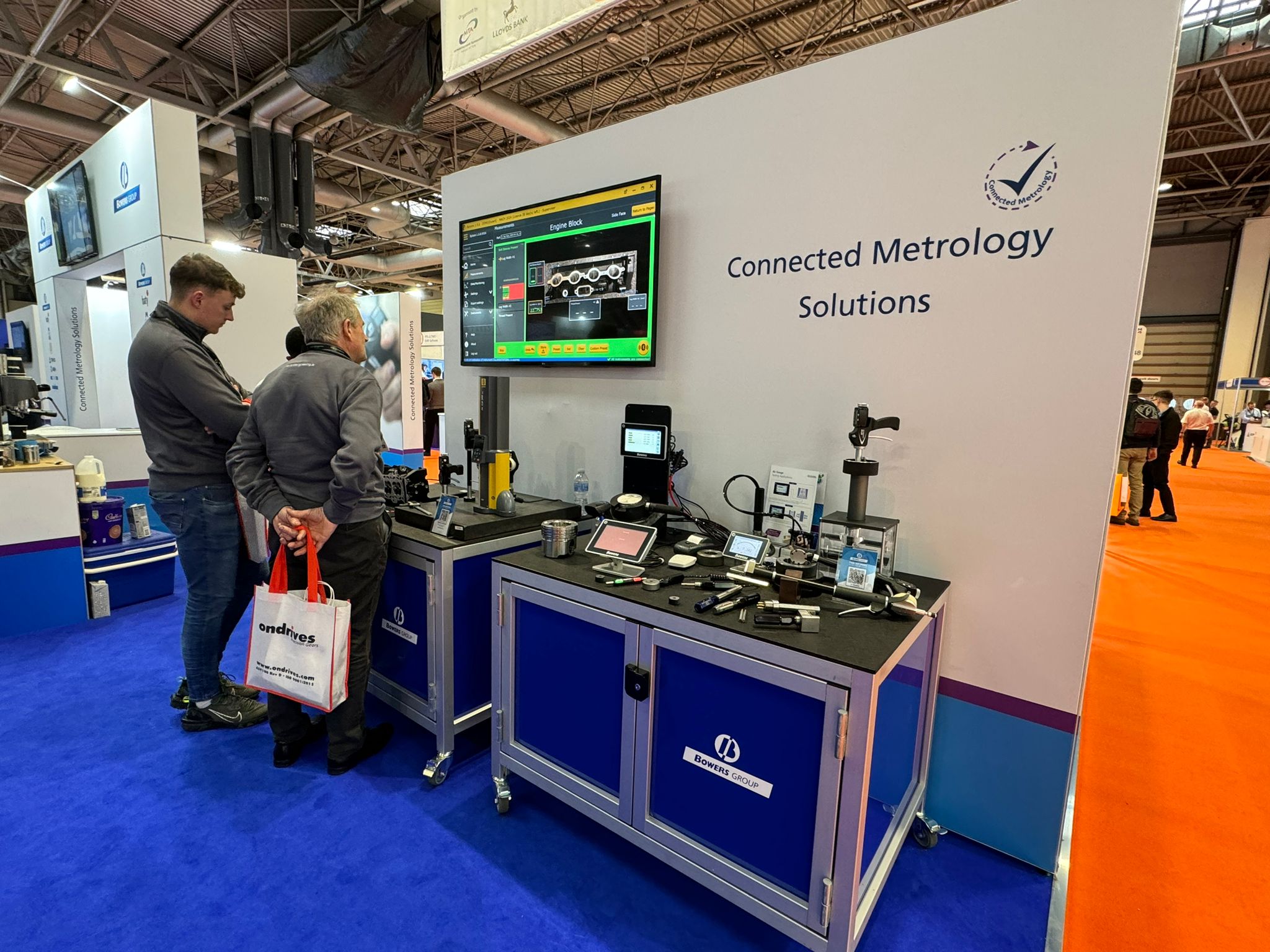
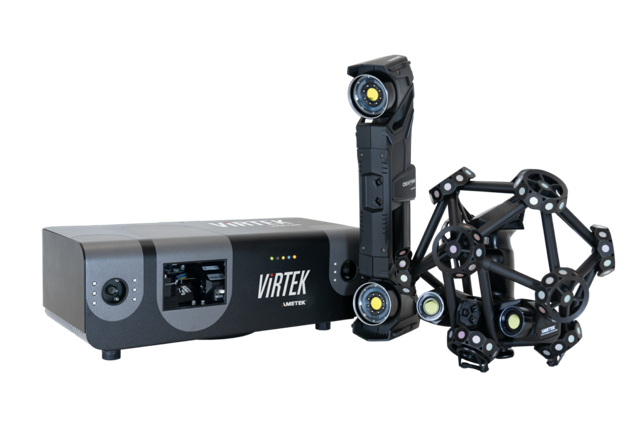
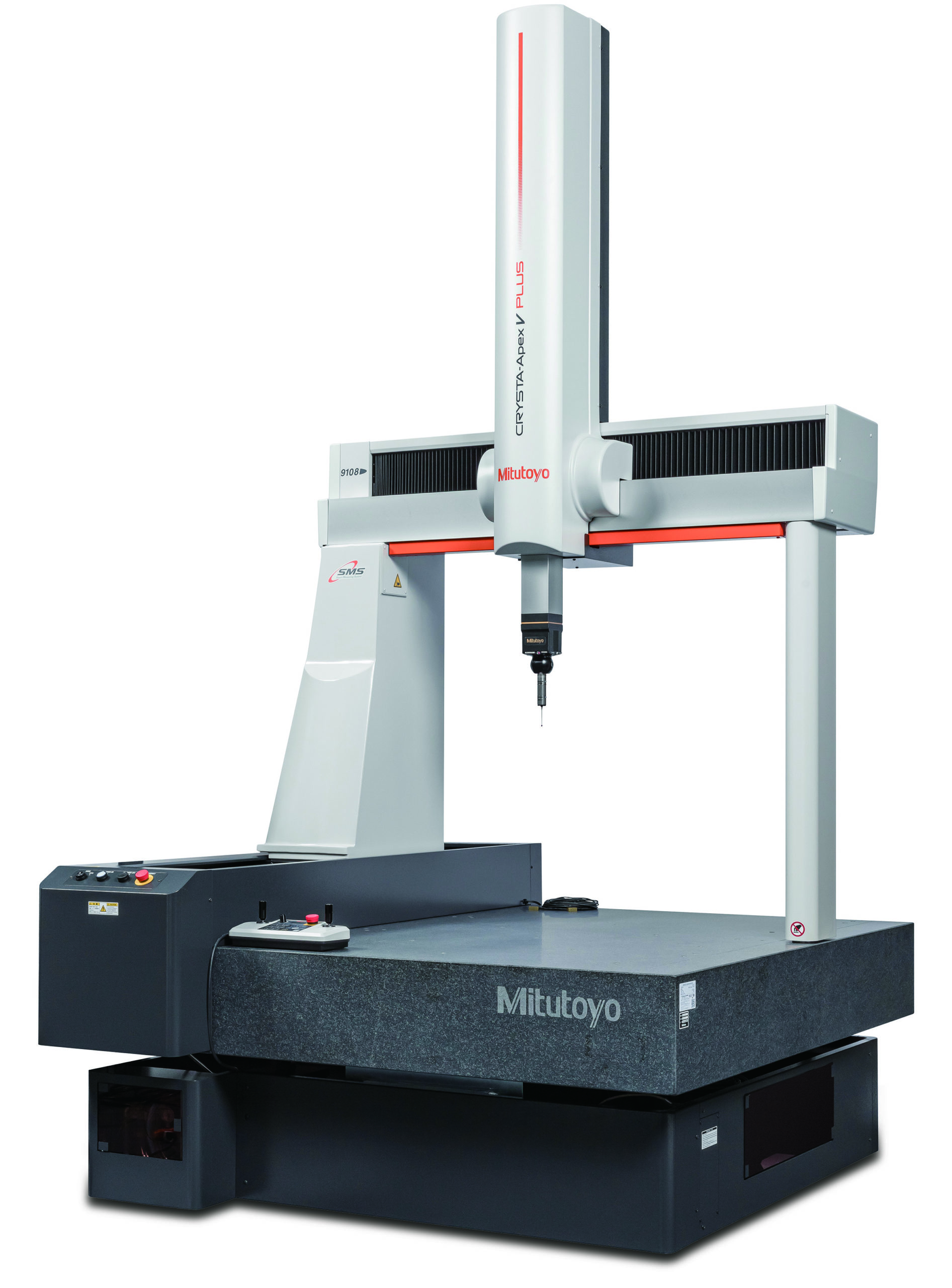
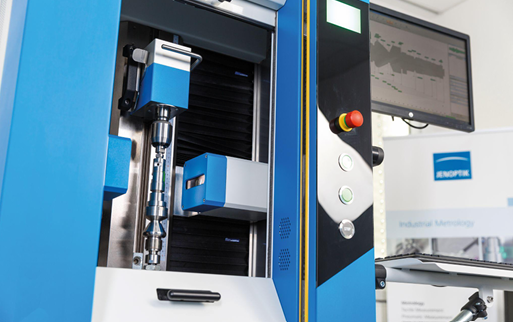
Metrology – the science of measurement – has evolved. Once a final checkpoint for quality control, it now plays an active, predictive role in production. Connected metrology integrates sensors, measurement systems, and analytics platforms across entire workflows, providing engineers with live insights that guide design choices, anticipate maintenance needs, and optimise performance at every stage.
The link with sim racing is unmistakable. Both disciplines depend on fast, reliable telemetry to close the feedback loop between decision and outcome. In both, the margin for error is razor-thin – a few milliseconds in a race, a few microns in manufacturing. The message is clear: precision is not optional, it’s fundamental.
Skills for a digital-first generation
Alongside the technology, the event spotlighted one of the greatest challenges facing industry today: the global skills gap. Manufacturing and engineering are undergoing digital transformation faster than education systems can adapt. To stay competitive, companies are seeking people who can blend technical expertise with data literacy, creativity and decision-making under pressure — skills increasingly honed through digital platforms such as esports and simulation.
In the morning sessions, Hexagon and Oracle Red Bull Racing shared their experiences of finding, training and retaining digital-native talent. The recurring theme: hybrid skillsets are the future of engineering.
“The winners of the Future Skills Challenge have shown the high-performance mindset we need for the next generation of engineering talent – the ability to work with data, think strategically, make decisions under pressure and embrace technology,” said Alexandre Aime, VP Global Marketing at Hexagon’s Manufacturing Intelligence division. “It’s exciting to see the talent pool that’s emerging, equipped with hybrid skillsets that matter in both sim racing and real-world engineering.”
Sophia Heath, Technical Recruitment Engineer at Oracle Red Bull Racing, added: “To stay competitive, we must reach new people and inspire them to see themselves in what’s an exciting, challenging and rewarding industry. Engineering needs fresh ideas and diverse talent to shape the future and events like this show the unexpected places where those skills can come from.”
Celebrating the winners
The highlight of the day came at midday with the awards ceremony. From over 1,100 global entries, three finalists emerged victorious, having completed an interactive quiz of rapid-fire, data-driven scenarios designed to test both esports instincts and engineering problem-solving. The challenge measured speed, logic, data analysis and strategy under pressure, aptitudes crucial in both sim racing and manufacturing.
First prize went to Spanish software engineer Antonio Masuda, who answered all questions correctly in the fastest time. A master’s graduate in data science and an avid Formula 1 fan, Antonio’s analytical mindset and passion for motorsport gave him a decisive edge.
Two talented runners-up shared second place: Kyle Tunstall, a UK-based roster clerk at Network Rail and former CAD technician, whose natural affinity for data and gaming precision impressed the judges; and Sebastian Kowalke, a German esports engineer and former Formula 1 Esports Head of Engineering, whose race strategy experience demonstrated exactly how digital and physical engineering disciplines intersect.
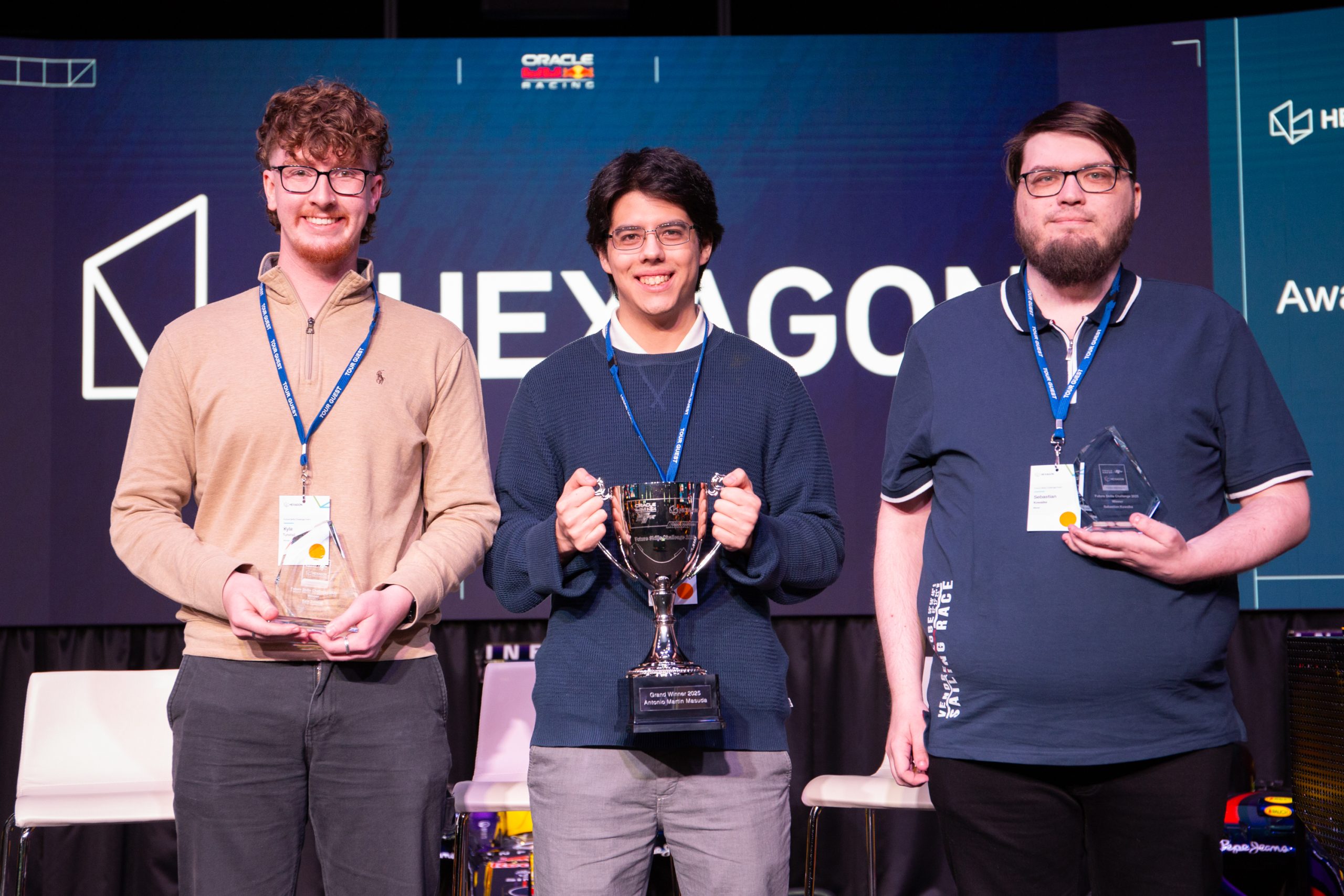
As overall winner, Anotonio received a Fanatec sim rig, while all three finalists were invited to Milton Keynes for a day of celebration. They toured the Red Bull Technology Campus, enjoyed a sim racing demo from Red Bull Sim driver Sebastian Job and teammates, and participated in workshops exploring the intersection of esports, telemetry and engineering innovation.
“This challenge proved how fast decision-making and data literacy translate across disciplines,” said Antonio. “Whether you’re building software or analysing race data, success depends on how quickly you can interpret information and act on it.”
Sebastian added: “I felt the Future Skills Challenge was the perfect chance to put my skills to the test. The experience gave me valuable insights into working under pressure and has sharpened my competitive edge.”
For Kyle, the event opened new perspectives: “It showed that engineering isn’t just about machines and blueprints – it’s about curiosity, logic and the drive to improve. Those are the same instincts you develop in gaming.”
Behind the scenes: Innovation at work
Delegates were given rare access to the Oracle Red Bull Racing Technology Campus – a facility where data, measurement, and collaboration define every success. From component manufacturing to Mission Control, attendees saw how telemetry drives decisions. Engineers, designers and strategists operate in constant dialogue with data, mirroring the same feedback-driven culture that defines high-performance motorsport.
For many, it was a striking demonstration that precision engineering is a team sport which is powered by data, driven by people.
A vision of the future
The Future Skills Challenge was more than an awards ceremony, it represented a blueprint for how industry must evolve. It showed that the future of manufacturing lies in embracing telemetry and connected metrology as the foundation of smart production, where live data informs every decision and precision is built into every process.
It highlighted that data now holds as much value as design, and that the most successful engineers of tomorrow will be those who can translate digital insight into real-world performance. Most importantly, it recognised that the innovators shaping this future may come from unexpected places: from gamers, digital natives, and problem-solvers whose curiosity and instinct are honed in virtual environments as much as in workshops or classrooms.
As the event concluded, one idea resonated throughout the Red Bull Racing Technology Campus: the future of manufacturing depends as much on talent as it does on technology. Precision is power, but it’s people who make precision possible.
Want to know more about this article?
Ask us below...