Hutchinson enhances exoskeleton accessibility with Nonius magnet rings

1 Mins
Published in News
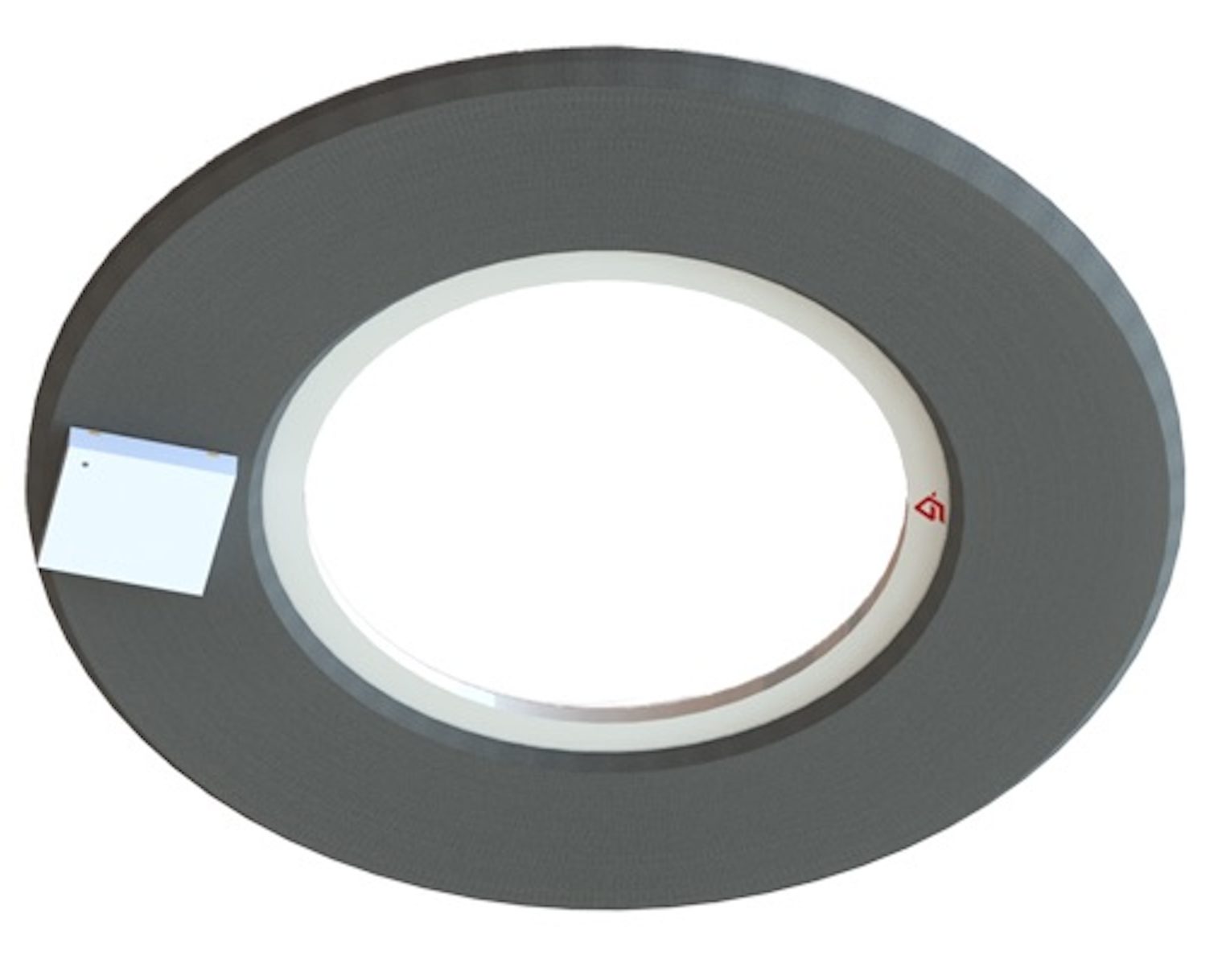
Hutchinson is proud to announce its collaboration with Wandercraft, a pioneer in medical robotics, on an innovative project aimed at making exoskeletons more accessible to the general public. As expert in the development and manufacture of angle and speed measurement solutions for magnetic encoders, Hutchinson is contributing to the success of this initiative by integrating compact Nonius magnet rings for precise and immediate angular control.
The Atalante X autonomous walking exoskeleton, a key tool for healthcare professionals, is dedicated to rehabilitation in medical centres. A new platform for personal use is currently being developed to enable a major advance in autonomy for private individuals. Wandercraft is working on optimising its robot and standardising its components to make the product accessible to as many people as possible.

The engineer-to-engineer approach of Hutchinson and Wandercraft teams has enabled the development of a
tailor-made system adapted to the architecture of the new robot. Each of the robot’s joints is equipped with a
sensor featuring Nonius magnetic targets designed and manufactured by Hutchinson, enabling instant and
absolute angular control. As soon as the robot is activated, the position of each axis is known, before any
movement is triggered.
Hutchinson’s compact magnet rings enable the creation of leaner, lighter exoskeletons. The cost of the system, including a Hutchinson magnet ring and the iC-Haus chip, is cheaper than a traditional encapsulated sensor solution.
ʺMobility is partof Hutchinson’s DNA,” says Laurent Khouri, industry market leader at Hutchinson in Segré-En-Anjou Bleu, France. “Today, we’re proud to be part of a pioneering human adventure that
will enable people to regain their freedom of movement.”
Want to know more about this article?
Ask us below...