The golden trio for turbine blade inspection

6 Mins
Published in Features
Inspection of turbine blades in aircraft engines is a critical aspect of maintenance and safety. These components operate under extreme conditions, including elevated temperatures, pressures, and rotational speeds. Regular and thorough inspections of turbine blades both in production and during service are essential to ensure the safe and efficient operation of aircraft engines both in manufacturing, repair, and overhaul.
Identifying and addressing defects early can prevent accidents, improve performance, and reduce maintenance costs. Typical, in use defects, can be caused by Erosion, Corrosion, Oxidation, Foreign Object Damage, Thermal Fatigue and Material Degradation and Blocked or damaged Cooling Holes and manufacturing defects revolve around geometric form, surface finish, leading and trailing edge radius, fir tree dimensions and cooling hole defects/blockages.
There are several inspection techniques that are used to identify these issues using Visual Inspection, Optical Inspection, Non-Destructive Testing (NDT), Fluorescent Penetrant Inspection (FPI), X-Ray and Computed Tomography (CT) Scanning, and Thermography.
In this article from Optimax, we concentrate on visual and optical inspection which can be used to identify issues that can be progressed to another appropriate testing method where necessary. We will feature Optical Metrology, 3D scanning and automated vision inspection using AI.
Focus Variation Optical Metrology
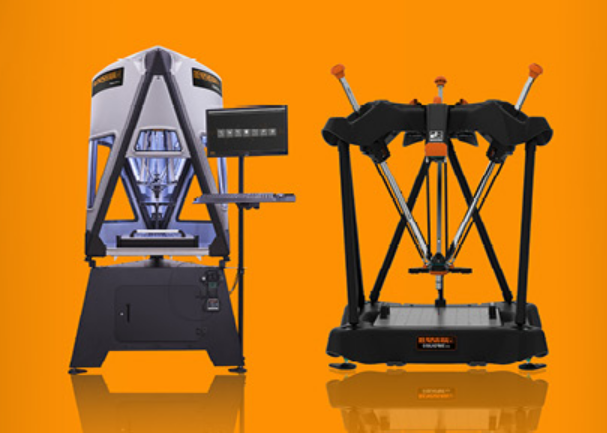
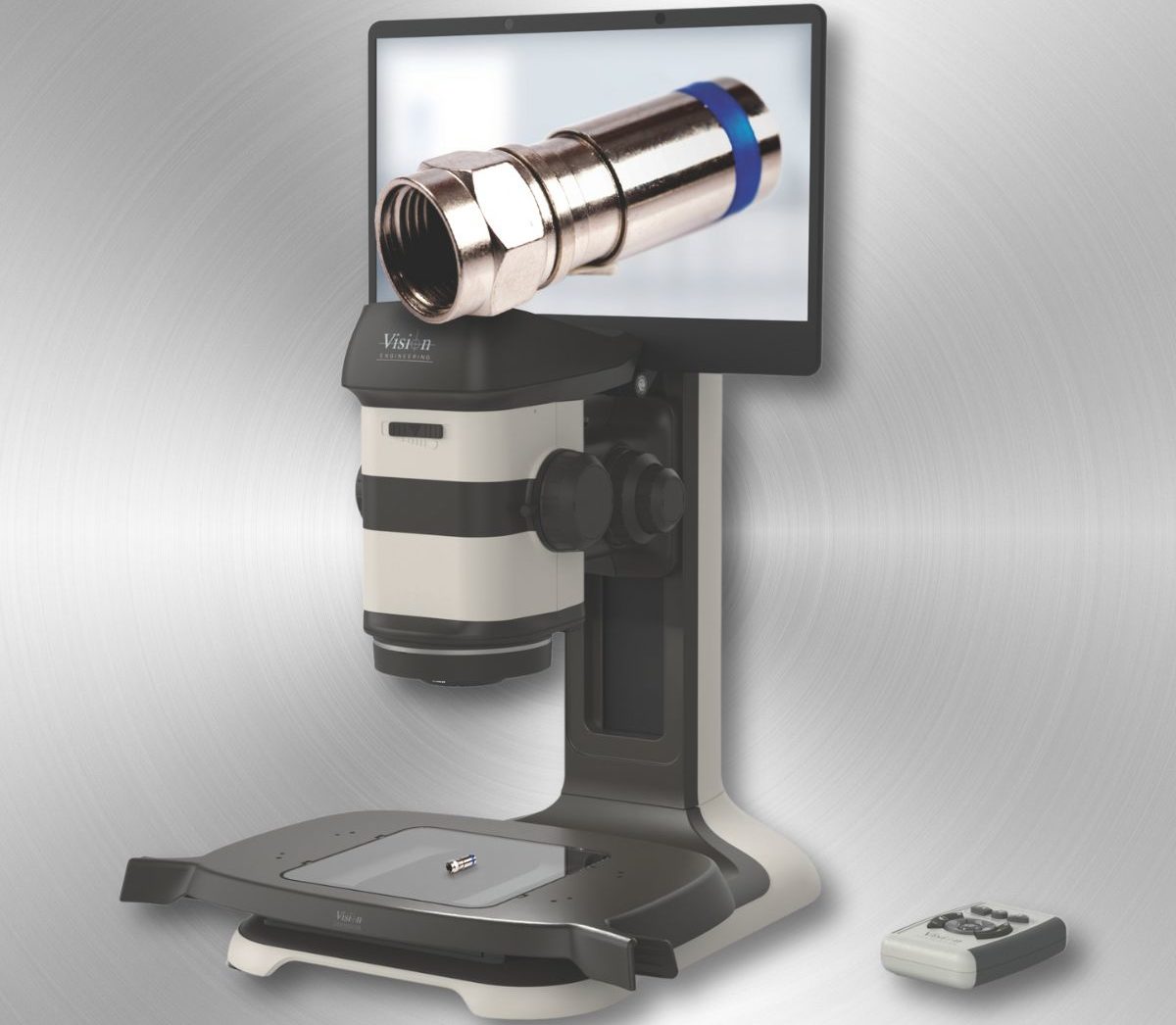
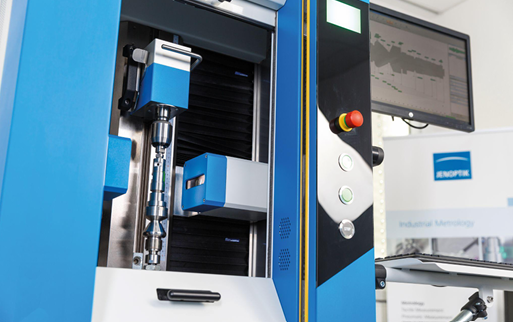
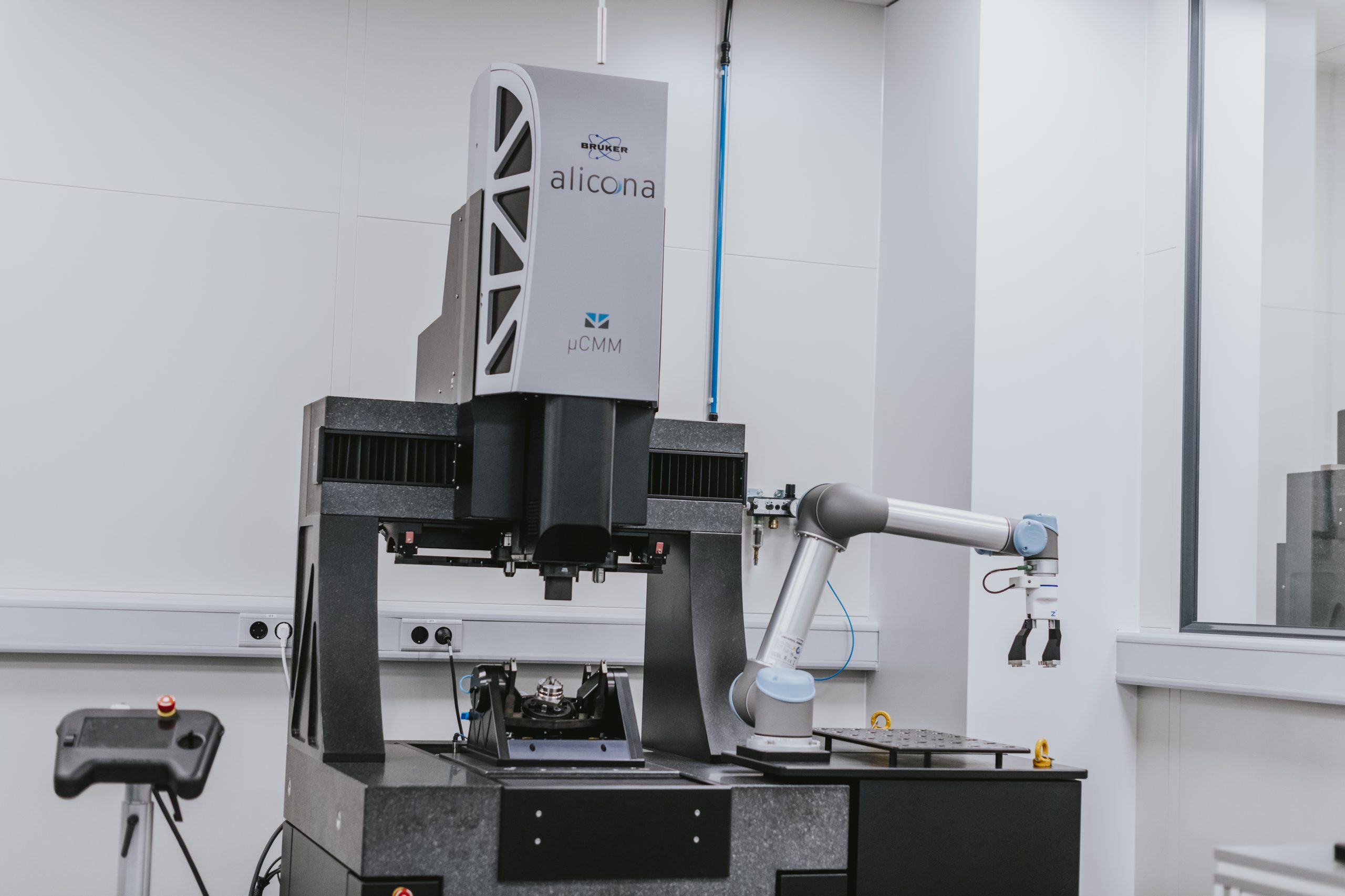
Focus Variation is an optical measurement technique used to assess surface characteristics, including surface topography and roughness, with high precision. It combines the principles of focus detection with vertical scanning, making it particularly well-suited for measuring complex geometries and rough surfaces. The technique is known for its non-contact nature, high resolution, and ability to measure surfaces with varying reflectivity and textures.
Key Features of Focus Variation
1. High Precision and Resolution: Focus Variation can achieve high lateral and vertical resolution, making it ideal for detailed surface analysis.
2. Non-Contact Measurement: This technique does not require physical contact with the surface, which is advantageous for delicate or sensitive materials.
3. 3D Surface Mapping: It provides three-dimensional topography data, allowing for comprehensive surface analysis.
Use in the Aerospace Industry
The aerospace industry has stringent requirements for surface quality and dimensional accuracy due to the critical nature of its components. Focus Variation is particularly valuable in this sector.
1. In Hole Measurement: Measurement of cooling holes. Vertical Surface Probing, a new revolutionary technology, allows the measurement inside of holes making it ideal for the geometric measurement of cooling holes.
2. Surface Roughness Measurement: Aerospace components often have strict specifications for surface roughness to ensure proper aerodynamic properties, reduce wear, and prevent corrosion. Focus Variation can accurately measure these roughness parameters.
3. Quality Control: The technique is used for quality control during the manufacturing process. It helps in verifying that parts meet design specifications and identifying defects early in the production cycle.
4. Wear and Tear Analysis: Focus Variation can be used to monitor the wear and tear on components, helping to predict maintenance needs and avoid unexpected failures.
5. Complex Geometries: Many aerospace components have complex shapes and surface textures, such as turbine blades and gears. Focus Variation is capable of accurately measuring these challenging surfaces to a resolution of less than 10 nanometres.
6. Material Characterization: It can be used to study the effects of different manufacturing processes, such as machining or additive manufacturing, on the material’s surface properties.
7. Non-Destructive Testing (NDT): The non-contact nature of Focus Variation makes it suitable for non-destructive testing, ensuring that the components are not damaged during inspection.
8. Versatility: The technology can measure a wide range of materials and surface finishes, including shiny, reflective, or transparent surfaces, which are common in aerospace components.
In summary, Focus Variation is a critical tool in the aerospace industry, offering precise, high resolution non-contact measurement capabilities that are essential for maintaining exacting standards in component quality and performance.
3D Scanning
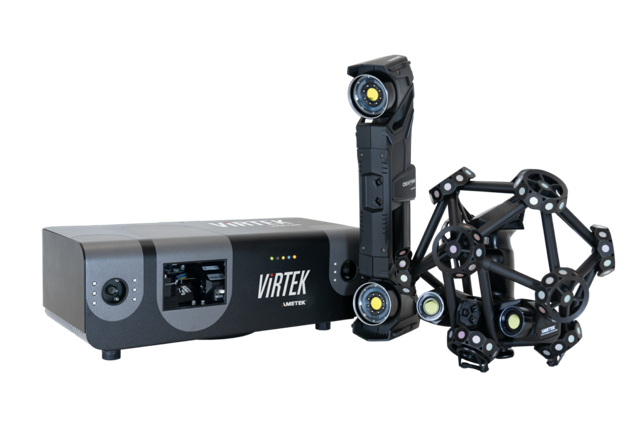
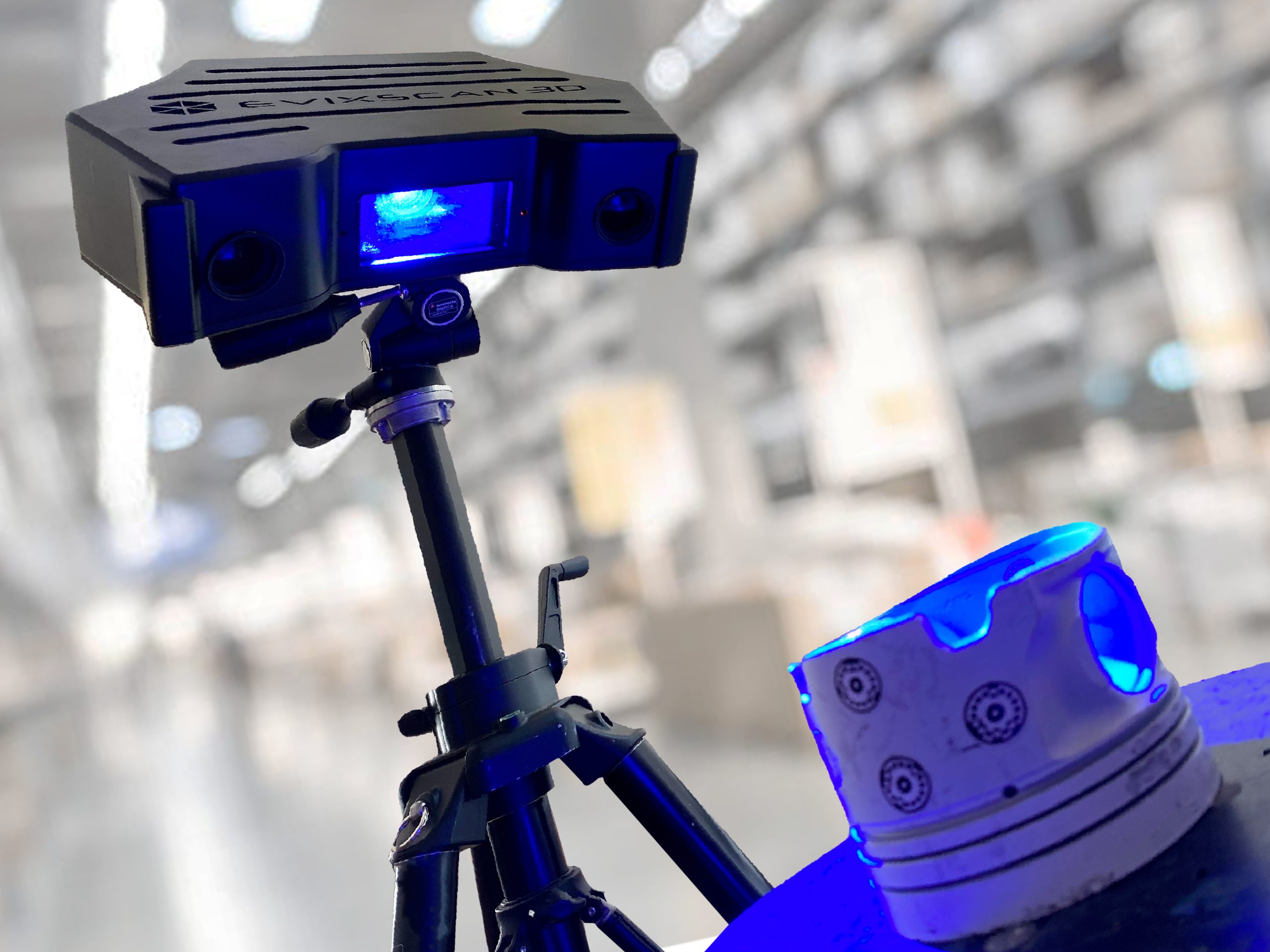
3D scanning is widely used in the aircraft industry for the rapid measurement and inspection of small components and larger blades. This technology offers benefits that make it highly suitable for the aerospace sector:
Advantages of 3D Scanning in the Aircraft Industry
1. Speed and Efficiency: 3D scanning provides a rapid means of capturing the full geometry of larger parts, allowing for quick inspection and measurement. This is particularly valuable in a production environment where time is critical.
2. Non-Contact Measurement: As a non-contact method, 3D scanning is non-invasive and does not risk damage to sensitive or delicate components. This is important for maintaining the integrity of high-precision parts.
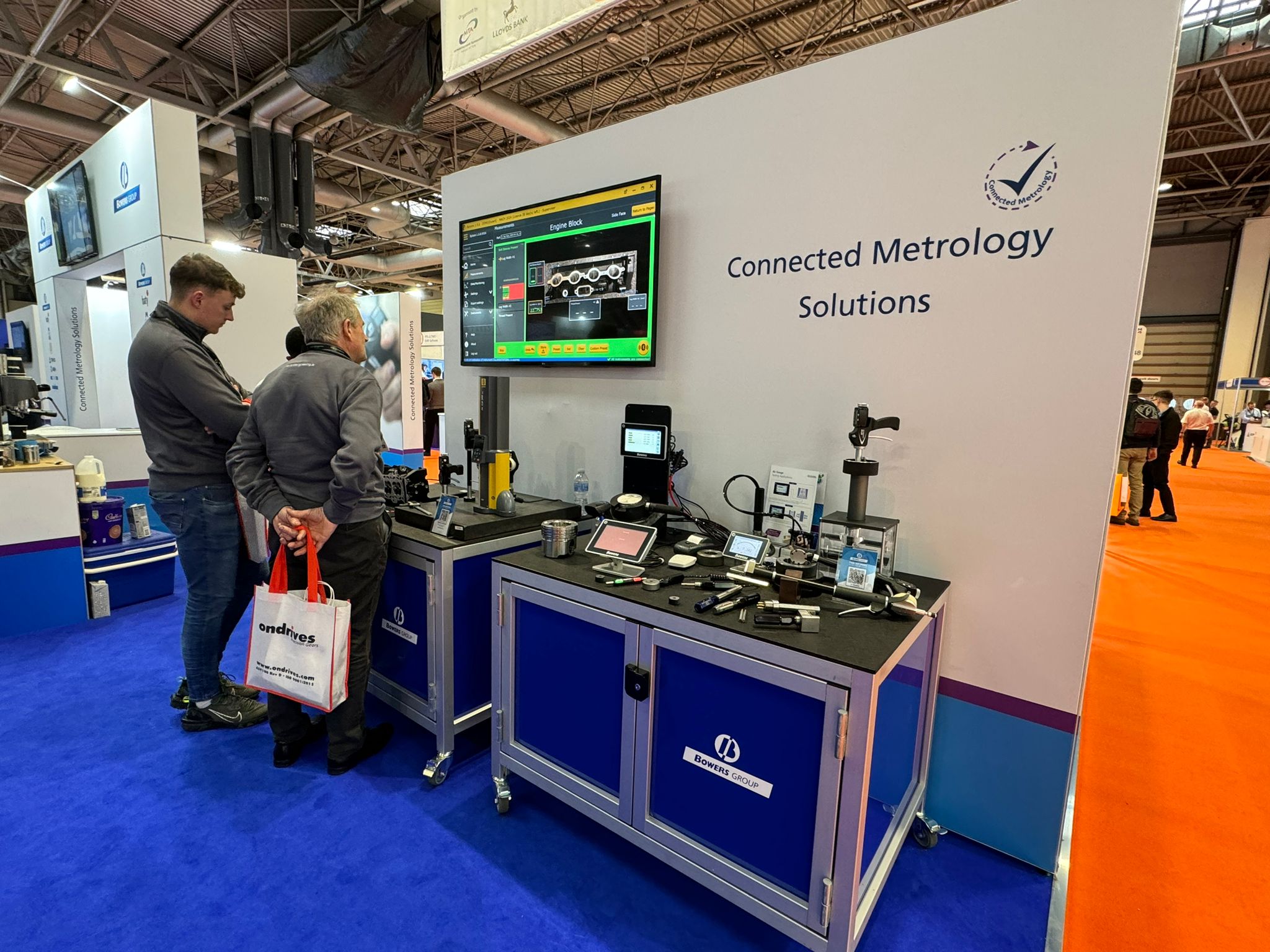
3. High Precision and Accuracy: Modern 3D scanners can capture minute details with high accuracy, making them ideal for inspecting small, intricate components where even slight deviations can affect performance, EG fir tree measurement and defects with good accuracy capable of covering typical tolerances .i.e. +/- 0.1mm.
4. Detailed 3D Models: 3D scanning creates detailed digital models of components, which can be used for various purposes, including quality control, reverse engineering, and digital archiving.
4. Versatility: It can measure a wide range of surfaces, including those with complex geometries, high slopes, and varying reflectivity.
5. Comparison and Verification: 3D scanned data can be compared against CAD models to verify that manufactured parts conform to design specifications. This ensures that the components meet stringent aerospace standards.
Applications in the Aircraft Industry
1. Quality Control and Inspection: 3D scanning is used for dimensional inspection and quality control, ensuring parts meet precise specifications. This is critical for safety and performance in aerospace applications.
2. Reverse Engineering: The technology is used to create CAD models of existing parts, especially when original drawings are unavailable. This is useful for redesign, reproduction, or maintenance purposes.
3. Maintenance, Repair, and Overhaul (MRO): 3D scanning helps in the assessment and repair of worn or damaged parts, providing accurate data for refurbishment or replacement.
4. Prototyping and Design Validation: Engineers use 3D scanning to validate prototypes and first-article inspections, ensuring that new designs are correctly realized.
5. Tooling and Fixture Development: Scanning can also assist in the design and verification of tooling and fixtures used in manufacturing processes.
In summary, 3D scanning is a versatile and invaluable tool in the aircraft industry for quickly and accurately measuring components, supporting various stages of the product lifecycle from design and production to maintenance and repair.
Automated Optical Inspection
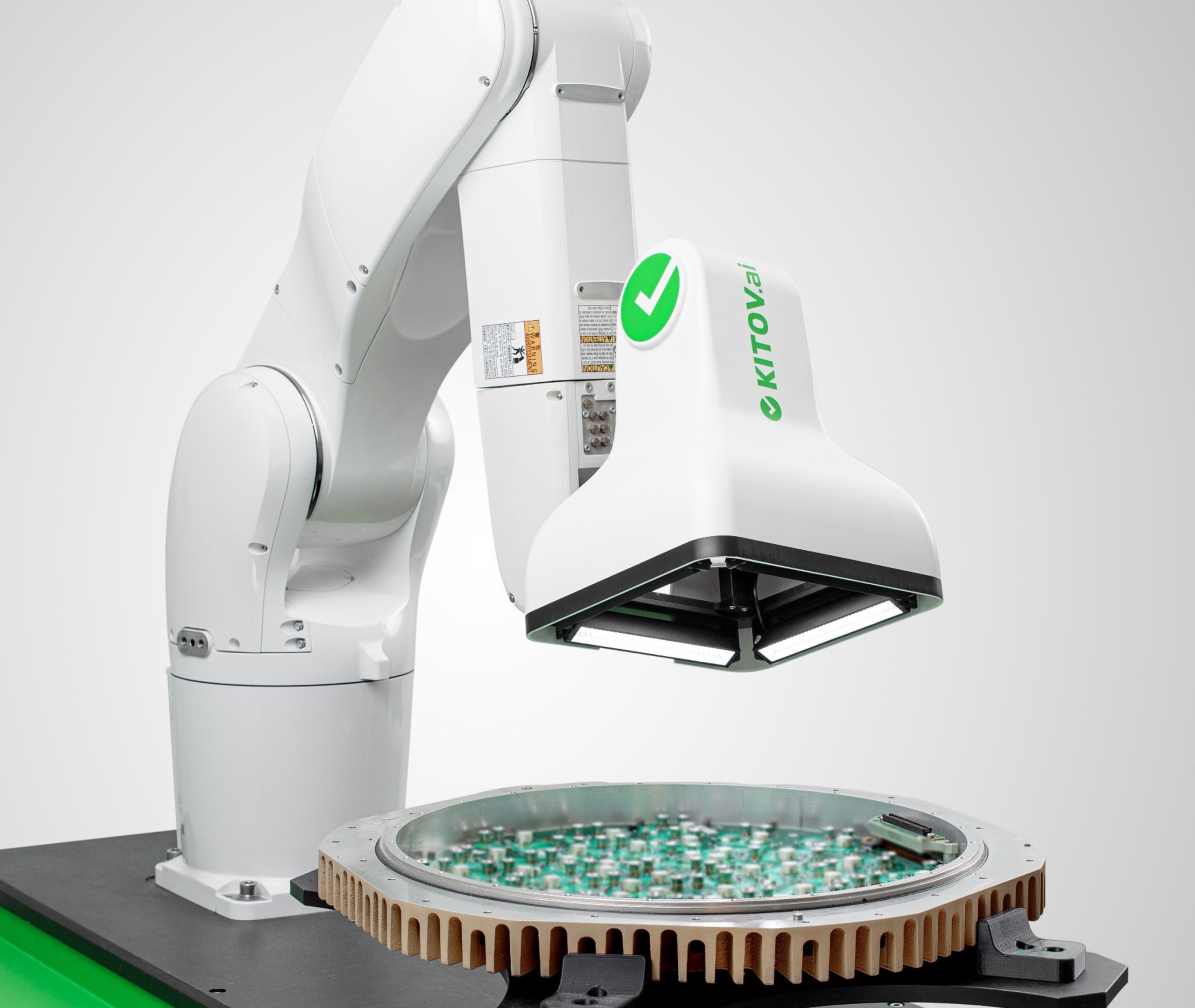
Automated Optical Inspection (AOI) using AI is increasingly being employed in the aircraft industry for the rapid measurement and inspection of small components. This approach combines advanced imaging technologies with artificial intelligence and machine learning algorithms to enhance the accuracy, efficiency, and automation of quality control processes.
Key Features and Benefits of AI-driven AOI in the Aircraft Industry
1. High Precision and Consistency: AI algorithms can analyse visual data with a high degree of precision, identifying defects and deviations from specifications that might be missed by human inspectors or traditional inspection methods.
2. Speed and Efficiency: Automated systems can inspect components much faster than manual inspection methods, making them ideal for high-volume production environments where time is critical.
3. Non-Contact Inspection: Like other optical inspection methods, AOI is non-contact, which means it does not physically interact with the parts being inspected. This is particularly important for delicate or sensitive components.
4. Complex Analysis Capabilities: AI can manage complex tasks such as pattern recognition, anomaly detection, and predictive analytics. This allows for the detection of subtle defects and the prediction of potential future issues based on current inspection data.
5. Real-Time Feedback: AI-driven AOI systems can provide real-time feedback, allowing for immediate adjustments to the manufacturing process, thereby reducing waste and improving overall product quality.
6. Data Integration and Traceability: These systems can be integrated with manufacturing execution systems (MES) and other data systems, providing comprehensive traceability and quality documentation.
Applications in the Aircraft Industry
1. Component Inspection: AI-driven AOI systems are used to inspect a wide range of aircraft components, including electronic boards, mechanical parts, and composite materials. They ensure that all components meet the stringent quality standards required in aerospace applications.
2. Surface Defect Detection: These systems can detect surface defects such as scratches, cracks, and other irregularities that could compromise the safety and functionality of the components. Also, identification of missing features i.e. holes, blocked holes, dents, and dings.
3. Solder Joint Inspection: In the inspection of electronic assemblies, AI-driven AOI can accurately assess solder joints, which are critical for the reliability of electronic systems in aircraft.
4. Predictive Maintenance: By analysing inspection data, AI can help predict when components might fail or require maintenance, thereby improving safety and reducing downtime.
Challenges and Considerations
While AI-driven AOI systems offer numerous advantages, there are also challenges, including the need for high-quality training data, the complexity of AI model development, and the integration of these systems into existing production workflows. However, the potential benefits in terms of increased efficiency, accuracy, and quality control make them an increasingly attractive option in the aerospace industry.
In summary there are a range of options for detailed inspection of components in the Aerospace industry with differing techniques, resolution and measurement areas. Optimax are suppliers of this type of measuring system and offer the Bruker Alicona optical metrology systems, the Evixscan range of 3D scanners and the Inspekto S70 automated vision system.
Want to know more about this article?
Ask us below...