Why proactive inspection is changing the economics of sheet metal manufacturing

3 Mins
Published in 3D Scanning
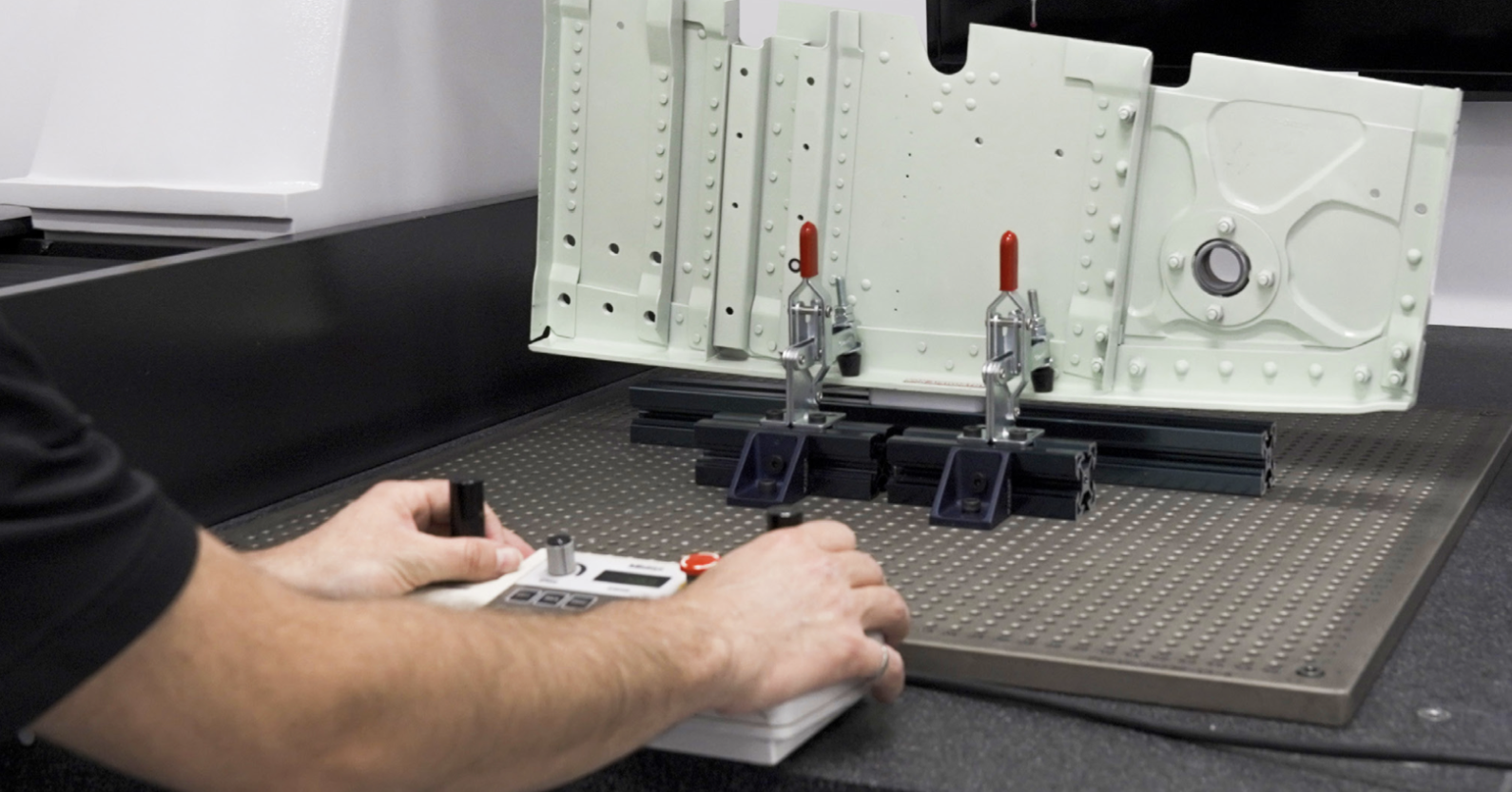
For manufacturers working with pressed, formed or fabricated sheet metal parts, inspection has always been a balancing act. Accuracy is critical, tolerances are tight and yet traditional inspection methods often struggle to keep pace with production demands. The result? Inspection becomes reactive, with problems identified after scrap, rework or delays have already occurred. Creaform, represented in the UK by Measurement Solutions Ltd (MSL) highlights why this approach is no longer sustainable and how proactive inspection is changing both quality outcomes and cost structures across manufacturing.
The limitations of reactive sheet metal inspection
Sheet metal parts present unique measurement challenges. Subtle variations in bends, flanges, spring-back and thin-gauge deformation can have a significant downstream impact, yet they are difficult to capture using conventional tools.
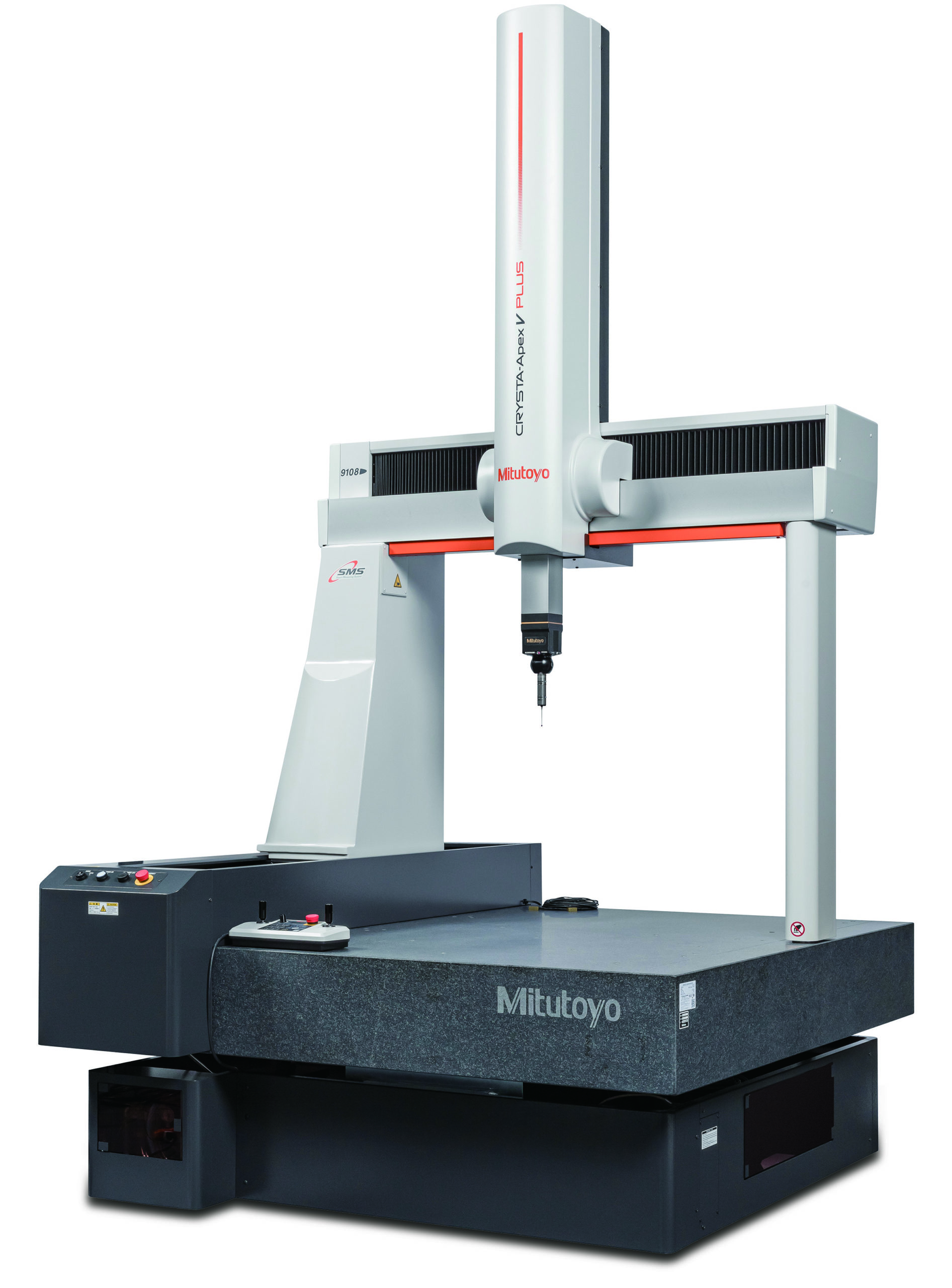
Many manufacturers still rely heavily on co-ordinate measuring machines (CMMs) for validation. While CMMs deliver high accuracy, they are often slow, resource-intensive and oversubscribed. As a result, only a small percentage of parts are inspected, making it difficult to detect trends or process drift early.
This reactive approach means quality issues are frequently discovered only after batches are complete, when corrective action is expensive and disruptive.
Why inspection frequency matters
One of the key insights from Creaform’s research is the importance of inspection frequency. When inspection throughput is limited, manufacturers lose visibility into process stability.
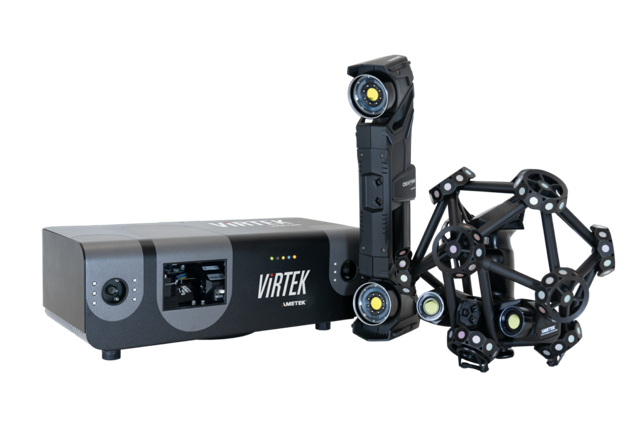
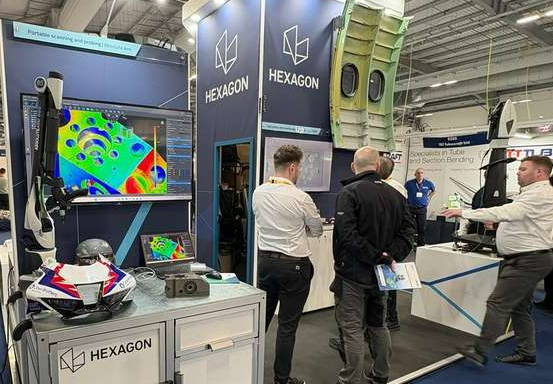
By contrast, modern 3D scanning workflows combined with the sheet metal add-on allow manufacturers to inspect five to six times more parts in the same timeframe compared with traditional CMM-based inspection. This increased frequency transforms inspection from a checkpoint into a feedback mechanism.
With more data available, teams can:
-
Identify forming issues earlier
-
Detect gradual tooling wear
-
Spot deviations before they affect full production runs
-
Build trend-based insight rather than relying on isolated checks.
Reducing operator dependency and variability
Another challenge with traditional inspection methods is their reliance on specialist skills. CMM programming and interpretation require experienced operators, and results can vary depending on set up and measurement strategy.
The Creaform sheet metal add-on reduces this dependency by analysing thousands of points across scanned data rather than relying on a small number of manually defined measurement features. This approach improves repeatability, reduces subjective interpretation and makes high-quality inspection more accessible across teams.
For manufacturers facing skills shortages or scaling production, such consistency is a major advantage.
The cost impact of proactive inspection
Beyond quality improvements, the financial case for proactive inspection is compelling. Creaform can convey real-world examples where manufacturers significantly reduced inspection costs by shifting away from exclusive reliance on CMMs.
By introducing metrology-grade 3D scanning with the Creaform sheet metal add-on, organisations were able to:
-
Reduce overtime and inspection bottlenecks
-
Release CMM capacity for high-value tasks
-
Lower maintenance and operating costs
-
Redeploy skilled personnel more effectively.
In several cases, this shift delivered six-figure annual savings, with return on investment achieved in less than 12 months.
From correction to prevention
Perhaps the most important change is strategic. Proactive inspection allows manufacturers to move from fixing problems after the fact to preventing them altogether.
By inspecting more parts earlier and more often, quality teams gain insight into process behaviour, enabling preventive tooling maintenance, faster corrective action and more stable production. Inspection becomes a driver of continuous improvement rather than a last line of defence.
Want to know more about this article?
Ask us below...