Why surface profile measurement is more critical than ever

2 Mins
Published in Surface Measurement
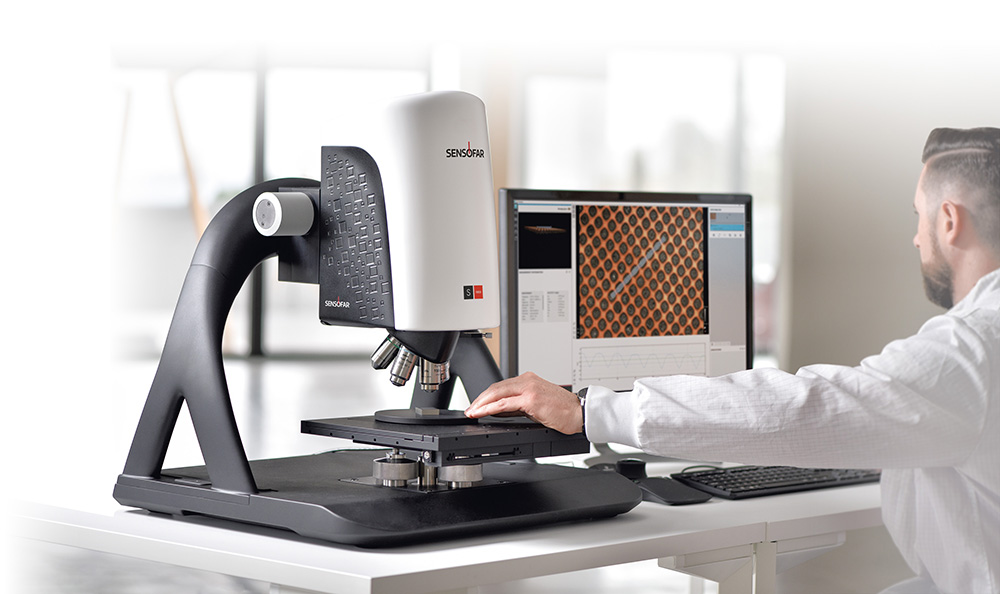
In today’s precision-driven manufacturing landscape, surface profile measurement has evolved from a niche concern into a fundamental aspect of quality control. Ensuring that components adhere to exacting specifications is no longer optional but a necessity for industries where performance, durability and safety are paramount. In this article, The Sempre Group explores how the growing demand for tighter tolerances and superior product functionality, surface profiling has become an indispensable practice within modern metrology.
Industries such as aerospace, automotive and medical device manufacturing rely heavily on surface profile measurement to guarantee the integrity and performance of their products. Even the slightest surface deviation can lead to mechanical inefficiencies, premature wear or even catastrophic failure. For instance, in the aerospace sector, imperfections on turbine blades can lead to decreased fuel efficiency and potential operational hazards. In medical device manufacturing, the surface quality of implants and surgical tools directly impacts biocompatibility and patient safety.
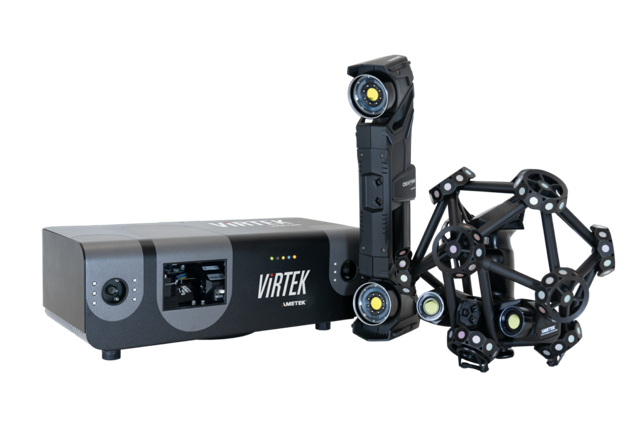
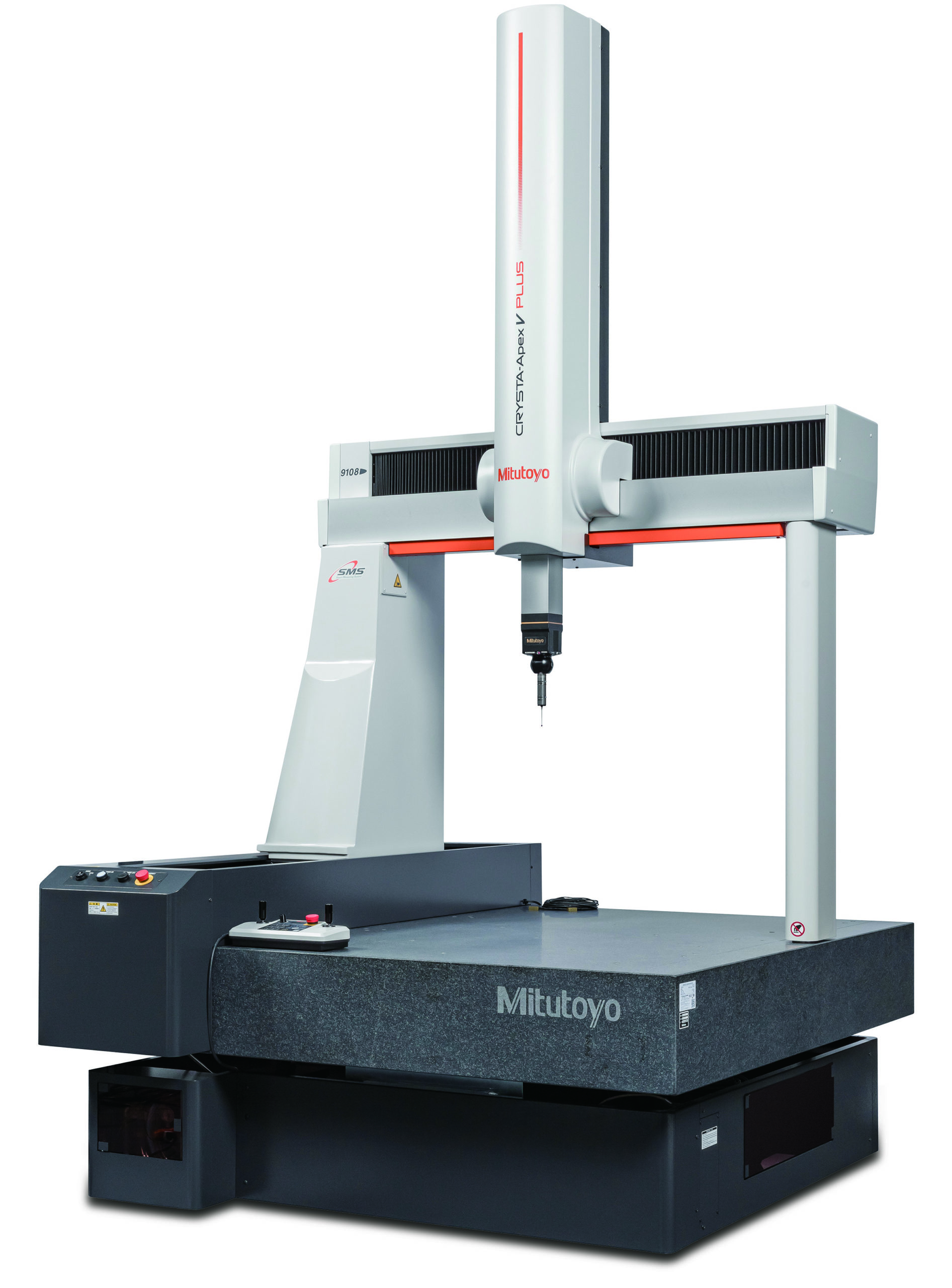
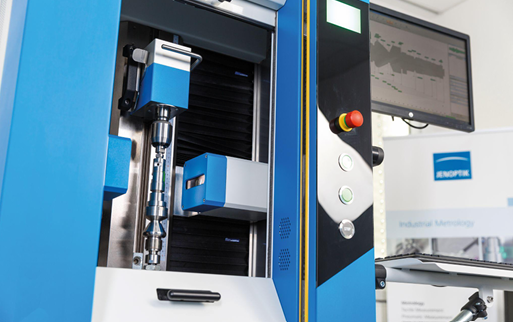
The evolution of metrology solutions has led to the integration of advanced optical and tactile measurement techniques, enabling manufacturers to achieve unprecedented levels of precision and consistency. Traditional contact-based measurement methods, while still relevant, are increasingly complemented or even replaced by non-contact techniques that offer faster and more accurate results. Technologies such as interferometry, confocal microscopy, white light scanning and laser profilometry provide high-resolution data without the risk of physically altering delicate surfaces.
With industries demanding higher accuracy and better surface integrity, manufacturers are increasingly relying on non-contact measurement methods such as interferometry and confocal microscopy to ensure compliance with stringent industry standards. These advanced techniques allow manufacturers to detect surface irregularities at a microscopic level, facilitating better quality assurance and reducing the risk of defects.
By leveraging sophisticated metrology systems, manufacturers can proactively identify and address surface irregularities before they develop into costly defects. This forward-thinking approach not only enhances product quality but also minimises material waste, reduces rework and streamlines production processes. As sustainability and cost-efficiency become central concerns in modern manufacturing, effective surface profiling contributes to leaner and more environmentally friendly production practices.
Moreover, the adoption of automated and AI-powered metrology systems is further evolving the field. Real-time data analytics, machine learning algorithms and integration with Industry 4.0 technologies allow manufacturers to monitor and adjust processes dynamically. Predictive maintenance and inline inspection capabilities help prevent deviations before they occur, ensuring optimal performance and long-term reliability.
As the manufacturing industry continues to push the boundaries of precision and efficiency, the importance of surface profile measurement will only grow. To stay ahead of the curve, companies must embrace cutting-edge metrology solutions that provide the accuracy, speed, and reliability needed to meet modern demands.
Want to know more about this article?
Ask us below...